7 Tips for Buying Gadolinium Oxide in Bulk
Buying Gadolinium Oxide in bulk requires more than comparing prices per kilogram. The material may look uniform in a catalog, yet its purity, particle size, moisture level, and packaging can vary significantly. These differences can affect ceramic production, optical applications, laboratory processing, and other demanding uses. Small details matter.
This guide presents seven practical tips for evaluating suppliers and making a more dependable purchase. It covers technical specifications, certificates of analysis, sample testing, production capacity, packaging quality, delivery planning, and total cost. A reliable supplier should explain testing methods clearly and provide traceable documentation for each batch. Buyers should also confirm whether the offered grade matches their process before placing a large order.
Do not rush. A low quotation may exclude testing, protective packaging, insurance, or customs-related expenses. A polished website does not prove manufacturing capability. Request recent batch records, inspect container labels, and compare answers from several suppliers. When possible, test a representative sample under actual operating conditions. That step may reveal issues that specifications alone cannot show.
No checklist removes every risk. Even experienced procurement teams can overlook storage conditions or changing lead times. This article therefore encourages careful questioning and realistic planning, rather than automatic trust. By combining technical review with supplier verification, buyers can reduce avoidable surprises and purchase Gadolinium Oxide with greater confidence, consistency, and accountability.
Define Gadolinium Oxide Grades, Purity, and Intended Uses
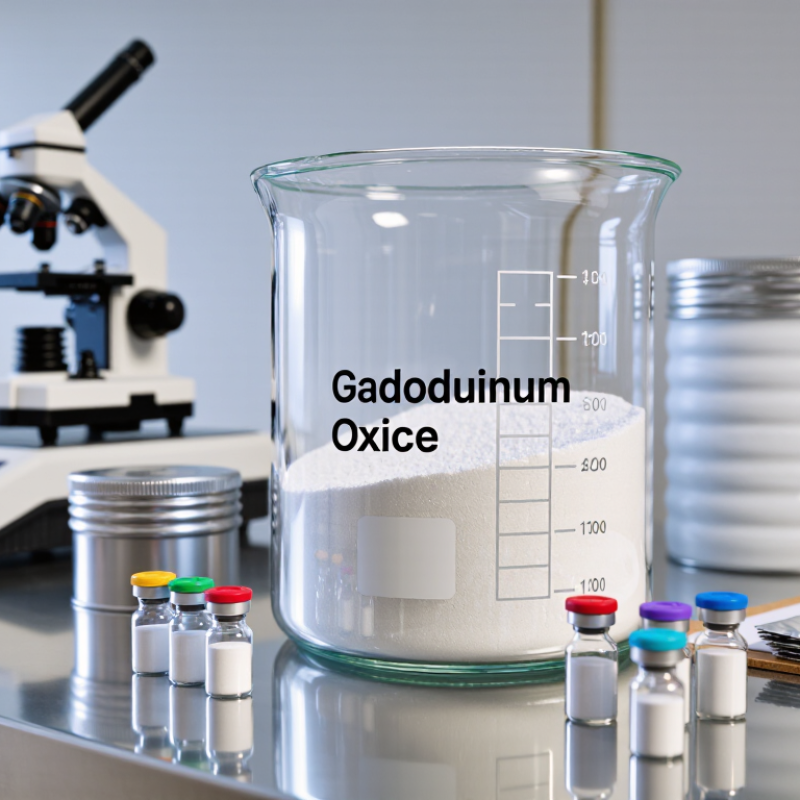
Buying gadolinium oxide in bulk starts with the grade, not the lowest quoted price. Define the intended use before requesting offers. Ceramic formulations may need stable particle size and controlled ignition loss. Optical glass requires low transition-metal contamination. Phosphor production may demand tighter limits for iron, copper, and other trace elements. Neutron-absorption applications need careful isotope and impurity discussions. Gadolinium oxide is a raw material, not a finished medical contrast agent.
Purity labels can mislead. “99.99%” may describe total rare-earth purity, while another supplier reports assay by loss-on-ignition or oxide basis. Ask for a recent certificate of analysis, test methods, lot number, moisture, particle-size distribution, and packaging conditions. The U.S. Geological Survey’s Mineral Commodity Summaries 2025 identifies rare earths as critical materials and reports global mine production near 390,000 metric tons in 2024. That figure covers rare earths broadly, not gadolinium oxide specifically. The distinction matters.
Request a retained sample before approving a container-scale shipment. Compare its color, flow, and dispersion in your actual process. Small differences can become expensive after mixing. Check the Safety Data Sheet and transport documentation, especially for dusty powders. ISO 17025 laboratory results add credibility, but they do not guarantee process performance. A certificate is evidence, not proof. I would also challenge vague terms such as “industrial grade.” They sound useful, yet often hide the limits that affect yield, rework, and final product quality.
7 Tips for Buying Gadolinium Oxide in Bulk
Define Gadolinium Oxide Grades, Purity, and Intended Uses
Commercial gadolinium oxide (Gd₂O₃) is commonly specified by nominal purity grades such as
99.9%, 99.99%, and 99.999%. The chart shows the maximum theoretical non-Gd₂O₃ fraction
represented by each grade, expressed in parts per million (ppm). Actual impurity levels
should always be confirmed through a batch-specific certificate of analysis.
- Choose the purity grade according to the technical requirements of the final product.
- Review the certificate of analysis for elements such as iron, copper, calcium, sodium, and other rare-earth impurities.
- Confirm whether the stated purity is based on total rare-earth oxide, loss-on-ignition basis, or another analytical method.
- Match particle size, morphology, and powder flow characteristics to the intended production process.
- For optical and electronic materials, consider higher-purity grades to reduce unwanted coloration and performance variation.
- For ceramic, glass, catalyst, and nuclear-material applications, verify application-specific impurity limits and handling requirements.
- Before placing a bulk order, approve a representative sample and confirm packaging, moisture protection, lot consistency, and delivery conditions.
Typical applications include specialty ceramics and glass, phosphor and optical materials,
research chemicals, and neutron-absorbing materials. Gadolinium compounds used in medical
imaging are generally formulated as chelates rather than as bulk gadolinium oxide itself.
Verify Supplier Credentials, Documentation, and Product Traceability
7 Tips for Buying Gadolinium Oxide in Bulk
Supplier verification should begin before price negotiation. The USGS Mineral Commodity Summaries 2024 reported global rare-earth mine production of about 350,000 metric tons in 2023. That scale creates complex supply chains. Ask for the supplier’s legal registration, operating address, manufacturing location, and current quality certifications. ISO 9001 certification helps, but it does not prove product purity or reliable delivery. Check the certificate number directly with the issuing body. Small detail. It matters.
Request a recent certificate of analysis for each lot, not a generic product sheet. Confirm gadolinium oxide assay, loss on ignition, moisture, particle-size range, and impurity limits. The SDS should match the exact material and packaging. Require lot numbers on bags, labels, invoices, and laboratory reports. A traceability statement should connect raw material, production date, testing method, and shipment record. Keep sealed retention samples when possible. Photographs of labels can help, but they are not evidence alone. The ISO Survey 2023 recorded more than one million ISO 9001 certificates worldwide, so certification claims deserve careful checking. A clean document can still hide an outdated test. Independent pre-shipment testing is often worth the cost, especially for high-purity material. My own caution is simple: never treat a polished PDF as proof of physical identity. Verify the chemistry, the chain of custody, and the person responsible for each record.
Compare Bulk Pricing, Minimum Orders, and Total Purchasing Costs
Buying gadolinium oxide in bulk requires more than comparing the quoted price per kilogram. Purity, particle size, packaging, and delivery terms can change the real cost. The USGS Mineral Commodity Summaries 2025 reported global rare-earth mine production near 390,000 metric tons in 2024, with China supplying about 270,000 tons. This concentration can influence lead times and regional premiums.
Tip 1: Request identical specifications from every supplier. Tip 2: Separate material price from freight, insurance, duties, testing, and storage. Tip 3: Compare minimum order quantities carefully. A lower unit price may force you to finance excess inventory. Tip 4: Ask for tiered pricing at 25, 100, and 500 kilograms. Small volume gaps can hide large purchasing differences.
Fastmarkets’ rare-earth assessments show that oxide pricing depends strongly on purity, form, and delivery location. Public benchmarks may not match your contract grade. Tip 5: Confirm whether the quote covers standard or customized analysis. Tip 6: Add independent inspection costs before approving a supplier. A certificate alone may not answer every technical question. Tip 7: calculate landed cost per usable kilogram, not per invoiced kilogram.
A practical spreadsheet should include currency movement and storage losses. I once overlooked repacking charges; the final cost was noticeably higher. That error still matters. Also review payment terms, production schedules, and replacement policies. USGS data provides market context, but it does not replace a product-specific quotation and laboratory verification.
Confirm Regulatory Compliance, Quality Testing, and Contract Terms
When buying gadolinium oxide in bulk, compliance should be verified before price discussions become serious. Ask the supplier for current safety data, product classification, labeling details, and documented shipment controls. Requirements vary by destination. Confirm whether import registration, transport documents, or end-use declarations apply in every relevant jurisdiction. Keep copies of licenses and correspondence. Do not rely on a sales summary.
Quality testing should match the material’s intended use. Request a recent certificate of analysis showing assay, moisture, particle size, and key metallic impurities. An independent laboratory can verify the supplier’s results before a large shipment leaves the warehouse. Inspect sample packaging for damaged seals, powder leakage, or unclear lot numbers. Traceability matters. Each container should connect to a production batch and test record. One overlooked detail can delay production.
Contract terms need the same attention as laboratory data. Define the exact grade, tolerances, packaging size, inspection method, and acceptance deadline. Include procedures for rejected material, replacement costs, late delivery, and changes to specifications. State who manages customs documents and transportation risks. Payment milestones may protect both parties, but they require careful wording. No checklist is perfect. Teams sometimes approve a technically strong product while missing a vague delivery clause. Review the final contract with compliance, quality, and logistics staff before signing.