Scandium Metal Buying Tips for Global Suppliers and Traders?
In the specialized world of metal trading, understanding Scandium Metal is essential for global suppliers and traders. Dr. Emily Carter, a renowned expert in rare metals, emphasizes, "Navigating the Scandium market requires both insight and foresight." This statement highlights the complexities involved in sourcing this valuable metal.
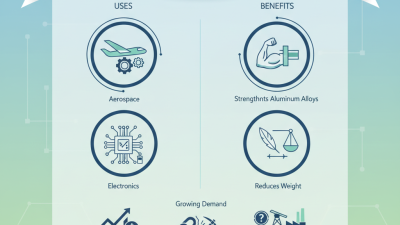
Scandium Metal is increasingly vital in various industries, particularly aerospace and electronics. Its unique properties enhance performance in lightweight materials. However, the market can be unpredictable. Traders often face challenges in pricing and availability. Building relationships with reliable suppliers is crucial.
Moreover, potential buyers should consider factors like purity and origin. Not all Scandium Metal is created equal. As the industry grows, the need for transparency and quality assurance becomes paramount. Reflecting on these aspects can help traders make informed decisions.
Scandium Metal Overview: Properties and Applications
Scandium metal is gaining attention due to its unique properties. This light transition metal has a high melting point of 1541°C. It is known for excellent strength-to-weight ratio. Its low density makes it suitable for aerospace applications. Moreover, it enhances the performance of aluminum alloys.
In the electronics industry, scandium is vital. It improves the conductivity of materials. Reports indicate a growing demand for scandium in solid oxide fuel cells. The global market is projected to expand at a CAGR of 20% from 2023 to 2030. Applications in 3D printing also show promise. However, sourcing high-purity scandium can be challenging. There are concerns regarding sustainable extraction processes. Responsible mining practices are essential.
Scandium's cost can pose barriers. The metal averages around $500 per kilogram, which affects its use in large-scale applications. Traders must weigh cost against potential benefits. They should stay updated on market trends and supply chain variables. Buyer education remains crucial in this evolving sector. The need for reliable data is paramount for decision-making.
Key Markets and Demand Drivers for Scandium
Scandium is gaining attention in key markets, particularly in aerospace and aluminum industries. The demand for lightweight materials in aircraft manufacturing drives this interest. Scandium enhances aluminum alloys, improving their strength and thermal stability. This makes them suitable for advanced aerospace applications.
Additionally, the global push for renewable energy creates new opportunities for scandium. Fuel cells and solid oxide fuel cells rely on scandium oxide for efficiency. As industries shift towards sustainable solutions, the demand for scandium is expected to rise. However, sourcing pure scandium can be challenging. Traders must navigate a complex supply chain. Variations in purity levels affect price and application.
Market research is crucial when entering this space. Understanding regional demands and production capabilities can guide purchasing decisions. Engaging with industry experts can provide valuable insights. Buyers should stay updated on emerging technologies that may influence scandium use. This awareness is essential for making informed investment choices. Scandium’s future appears promising, yet buyers should approach with caution and a clear strategy.
Important Factors to Consider When Sourcing Scandium Metal
Sourcing scandium metal requires careful consideration. As a rare element, its availability can be inconsistent. Understanding market demand and supply fluctuations is crucial for buyers. Scandium is primarily used in alloys and can significantly enhance properties like strength and resistance. Recognizing its applications can help traders better grasp pricing.
When purchasing scandium, start by verifying supplier credentials. Ensure your suppliers have experience in rare metals. Look for suppliers with a good track record. Quality assurance is key. Inquire about their sourcing processes and methods of purification. This information can show their commitment to quality.
Next, consider the pricing structure. Scandium pricing can vary greatly. Engage with multiple suppliers to compare offers. However, don’t just chase the lowest price. Evaluate the terms of delivery and potential hidden costs. Understanding the fully-loaded cost can prevent unpleasant surprises. Always think critically about your choices. Assessing each step helps ensure a successful buying experience in the scandium market.
Evaluating Suppliers: Quality, Reliability, and Pricing
When evaluating suppliers for scandium metal, several factors are crucial to consider. Quality is paramount. Reports from industry experts indicate that the purity level of scandium can vary significantly among suppliers. Reliable suppliers typically offer products with a purity of at least 99.9%. This level is essential for applications in aerospace and electronics, where material integrity is non-negotiable.
Reliability is another key element. A recent industry survey found that 30% of traders face delays in delivery times. Suppliers with a track record of timely deliveries and good communication are invaluable. It’s worth seeking testimonials or endorsements from other traders. These can provide insights into a supplier's performance. Checking for certifications can also indicate a supplier's commitment to quality standards.
Pricing can be tricky. Some suppliers offer competitive rates but reduce quality. A recent analysis revealed that lower prices might correlate with subpar material, affecting your projects in the long term. Conversely, premium pricing does not always guarantee superior quality. Being cautious and conducting thorough research is essential. Engaging multiple suppliers for quotes and comparing offers can shed light on the true market rates.
Scandium Metal Buying Tips for Global Suppliers and Traders
| Supplier Location |
Quality Rating |
Reliability Score |
Price per Kg (USD) |
Lead Time (Days) |
| North America |
A+ |
High |
120 |
10 |
| Europe |
A |
Medium |
115 |
12 |
| Asia |
B+ |
High |
110 |
15 |
| Australia |
A |
Very High |
130 |
8 |
| South America |
B |
Medium |
125 |
20 |
Regulations and Environmental Considerations in Scandium Trade
When trading scandium, regulations play a crucial role. Various countries have specific guidelines for the import and export of scandium. Adhering to these rules is essential for smooth operations. A misstep can lead to fines or trade bans. Understanding these regulations can be complex yet necessary.
Environmental considerations are another vital aspect. Scandium mining can impact local ecosystems. Proper waste management and sustainable mining practices are essential. Suppliers should prioritize companies that adhere to environmental standards. This not only helps protect the environment but also enhances brand reputation.
Investing in certifications can improve credibility. Buyers often look for suppliers committed to sustainability. However, obtaining certifications can be challenging. It requires time and resources. Not all suppliers may achieve this, affecting their competitiveness. Continuous improvement should be a goal for all participants in the scandium market.
Scandium Metal Trade Overview: Global Suppliers and Environmental Factors
This chart represents the estimated supply of scandium metal from various countries, which is essential for global suppliers and traders. Understanding these quantities helps in strategizing the trade of scandium while considering environmental regulations and market demands.